Thinking About Starting a Media Server
I’ve been a subscriber of at least one streaming music service since about 2015. Initially, I liked the premise of streaming music, of having millions of songs at my disposal for about the cost of a single album on CD. Economically, the benefits of streaming far outweighed any disadvantages. However, more recently, I’ve begun to miss some things about owning my music.
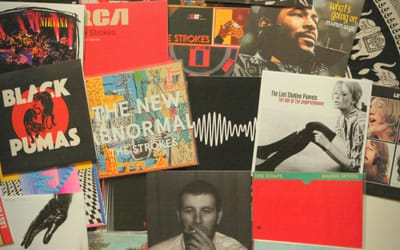
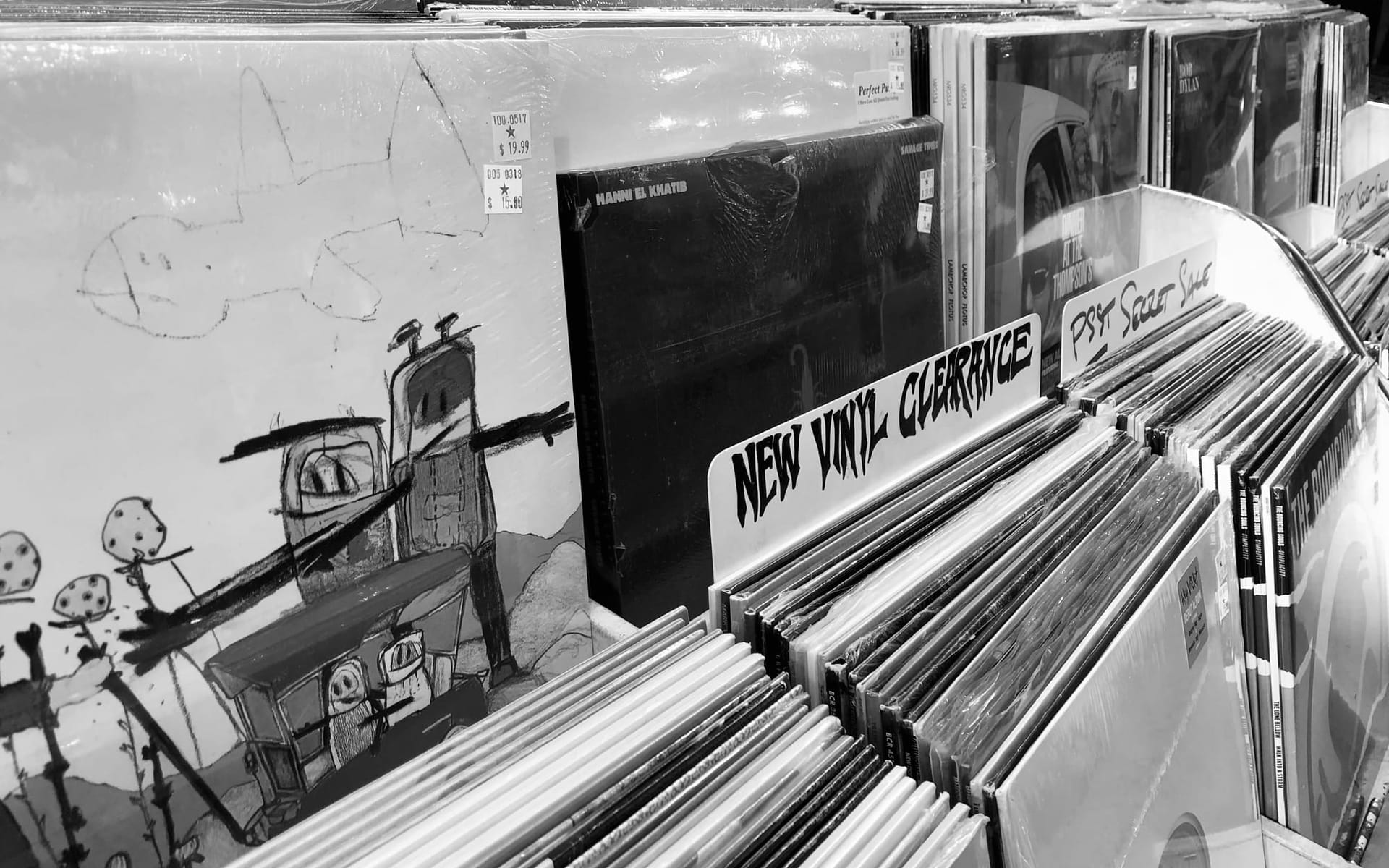
I miss the intentionality of music ownership. There’s the process of browsing the shelves of a record store or music department, finding something that looked good, buying it, then taking it home and listening to it track by track. I’ve been thinking about getting back into collecting music again, either through CDs, vinyl, or both, and curating my listening again.
I have two boxes of CDs sitting around. They’ve been packed up for a few years at this point. I couldn’t really put a finger on why I’ve kept them around, but I couldn’t find it in me to let them go. But then I opened up a box. I can’t overstate the joy of opening one of those boxes and seeing the memories in there. The albums I forgot about, the ones with special packaging, the artwork, and the liner notes. I instantly knew these were worth keeping.
In the same vein, I’ve kept an old iMac around as well. It still runs, just slowly. Startups take a few minutes, updates take much longer. It’s running macOS X High Sierra, which despite how outdated it is, it can still run some software just fine.
It’s on this old iMac I used to use a much more intentional ratings system. I’d import an album into iTunes and go track by track, giving each one a star rating from 1 - 5, 5 being the best. These ratings would then drive how my set of smart playlists behaved. Once a song was played, it exited the playlist for at least a set amount of time. Songs with 5 stars would be prioritized more than those with 4 stars, as 5-star songs were allowed back in quicker. I would then stack these smart playlists on each other, which then allowed me to have newer songs be played more frequently if I so chose, simply by changing the duration for which they were allowed back in. I would then limit these playlists to something like 1,000 songs.
These smart playlists were perfect for an iPod, as they created a kind of radio station in my pocket that I curated. Every morning I’d plug the iPod into my Mac and it would pull in the last played data and give me a fresh new batch of songs. It was a good blend of old-school music collection with newer digital technology. The iPod was far more convenient and versatile than a portable tape or CD player without losing the intentionality of listening to music.
I recently caught a video on the YouTube channel Digging the Greats, where they talk about building your own streaming service using Plex Media Server. All you really need is Plex, which streamlines the process of building a media server, and a computer that can run uninterrupted somewhere — not your everyday machine. It just so happens, my old iMac is just updated enough to run Plex Media Server, and it also has an optical drive, which means I can rip CDs on it. I’m in business!
The thing about streaming is you’re renting the content you have access to. Artists are taking control of their catalogs more frequently these days. When Snoop Dogg bought Death Row Records, he chose to pull the entire Death Row library off streaming platforms. Suddenly, albums like The Chronic, Doggystyle, and All Eyez On Me were no longer available, and playlists were fragmented. These albums eventually returned, but that displayed some of the volatility with streaming when one business decision could change what you had access to. Seattle hip-hop group Blue Scholars has an album Cinemetropolis that’s only available on Bandcamp for purchase. Yasiin Bey (aka Mos Def) distributes his albums through a Substack account.
This highlights another thing streaming has done, and that’s create a gap in what I own. I haven’t bought many albums since 2015. Where I’ll start off building my digital library with what I already own, eventually I’ll want to fill in those gaps over time, spending a weekend afternoon digging through used racks of CDs and vinyl. Over the past decade, I’ve only gotten more diverse in my musical taste, which I can somewhat blame on the vast musical universe streaming provides. I celebrate indie artists more, have gotten more into jazz, and even things like alternative country. If the goal is to fully curate what I’m listening to again, then that means physically owning more of what I consume. It’s going to take a while to build the library I fully want, but I feel the process will be an enjoyable one.
I have a vision of how I want to collect. For the most part, I’ll favor CDs, as I feel they offer the most versatility for me. For starters, I can rip them into a digital format, which is the basis for the digital library I’m wanting to build. They also provide the joy of flipping through the liner notes and enjoying the artwork when I’m taking in an individual album. Then, there’s the instant gratification of being able to play an album in the car right after I buy it.
Then there’s vinyl, which I see differently. I see vinyl reserved for those albums I think of as classics, the ones you play from front to back every time with no skips, taking in every bit of the mood they provide. That said, only some of the time do vinyl come with a digital copy, which makes them slightly less versatile for what I’m after. It’s for this reason I see my vinyl collection being curated much tighter than my CD collection. In many cases, I’ll probably own both formats.
Then there’s the third scenario, digital purchases. This is where neither CD nor vinyl can fit the bill. Death Cab for Cutie initially released their Live at the Showbox live album only on Bandcamp (which is no longer available for purchase), much like how Blue Scholars did with Cinemetropolis. This is where it gets a little iffy, as this isn’t the same as physically owning an album. But, if it’s the only option, then so be it. In Death Cab’s case, they did release physical versions of Live at the Showbox a couple of years later, so there are times you can go back and make that purchase. Overall, these three ways of collecting play on one another, whether used separately or in combination with one another.
Where I’m not lacking is discovery. Every morning, the moment I turn off my alarm, my living room HomePod starts playing KEXP, an independent radio station out of Seattle. Every morning, there’s a different DJ on air, and each of them plays their own personal taste. I’m fed a lot of variety through the week because of this. If something catches my ear, I’ll look it up on Apple Music and favorite the track. I’ll also sift through the list of new releases on Apple Music to see if anything interests me, adding albums and tracks to a list for later listening.
This is usually where the process ends. Now I want to start actually purchasing what I really like and bringing it into the Plex library — taking the discovery tools I already have and completing the loop. All these things, radio, Apple Music, physical purchases, and Bandcamp before importing into Plex, all work in unison with each other.
One nice thing about Plex is that you can add friends to your account, much like a social media service. I really like the idea of sharing libraries between a few good friends, as it’s reminiscent of sharing mixtapes. You can really get to know someone through their musical tastes, and I’m curious to see what they’re really into. Sharing music is a bit of a love language for me.
Something else worth noting is that the annual Record Store Day is coming up on Saturday, April 18, 2026. This is a yearly celebration of music where record stores have special releases for this day available and will run other discounts. It can make record stores much busier than usual, but it’s worth it for what you might find and can be a good reintroduction to music shopping.
I have everything I need. I have a computer that’ll work for this, a couple of external drives to store music on, and two boxes of music to store onto those drives. The collection has gaps, but there’s some beauty in this as owning some of these albums will feel much more whole than simply streaming them.
I’m looking forward to getting this process started. I can only imagine the memories that’ll resurface when I listen to some of my old music again. One album I have my eyes on is Common’s Like Water for Chocolate, as it has a track called “Geto Heaven, Part Two” that features D’Angelo. This track is often missing from streaming versions of the album, often getting replaced by a remix with Macy Gray I’m not nearly as fond of. I’m thankful I still have the original release. It’s instances like this where owning music can’t be replaced.