It Was Nice to Be Able to Watch Opening Day
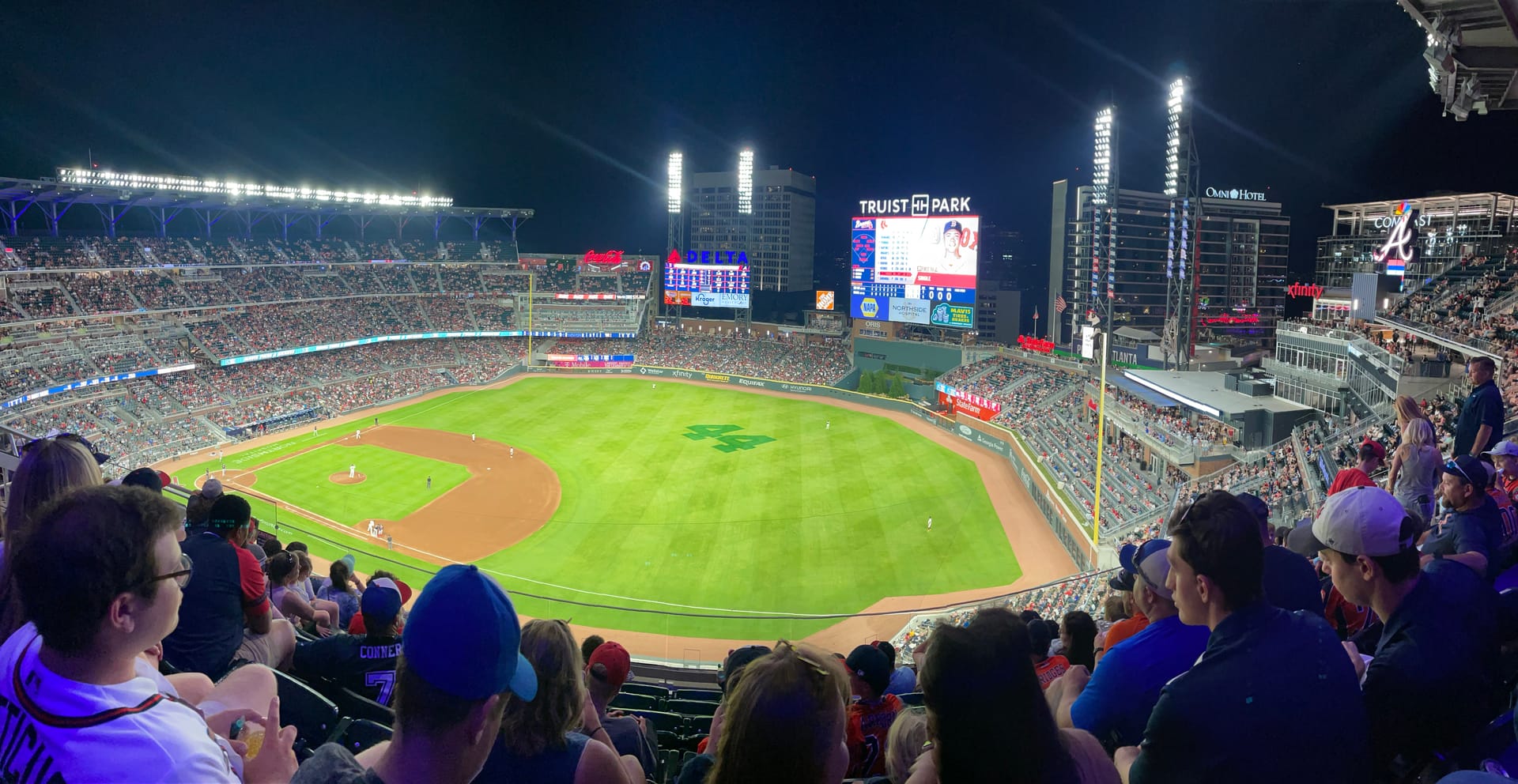
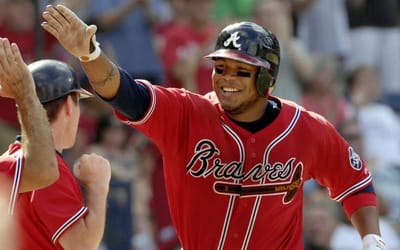
When I was a kid, I grew up on the Atlanta Braves baseball team. This was in part because they were the only team in the South at the time, as the two Florida clubs weren’t born yet. But they also had all of their games on the Turner Broadcasting Superstation, aka TBS, owned by then Braves owner Ted Turner, putting their games in front of audiences not just across the South, but nationwide as well.
When the Braves entered their dynasty in the 1990s, suddenly there was a perennial contender on a national platform. The result was a lot of kids growing up to be Braves fans, as it was easy to root for players like Chipper Jones, Andruw Jones, Greg Maddux, John Smoltz, and Tom Glavine. I’ve been to games in Kansas City where most of the third base side of Kauffman Stadium was full of Braves fans, doing the tomahawk chop and chant, and making me feel kind of at home in a visiting stadium. The TBS broadcasts dubbed the Braves as “America’s Team”, which seemed like a bit of a joke during the 80s, but had a strong argument for itself during the 90s.
Towards the end of the 90s, TBS began to see itself as a broader entertainment network, turning its focus to the NBA and NCAA March Madness along with other original programming, which forced the Braves into the regional sports network (RSN) model that most teams across the country were a part of. This put the Braves into these limited regional territories if you only had cable television. Where I grew up in Pensacola, Florida, was deemed the TV territory for the Tampa Bay Rays. But, if you were to drive ten miles to the west into Baldwin County, Alabama, you could watch Braves games.
The workaround for this was MLB’s streaming arm MLB.TV or the cable TV pay-per-view option MLB Extra Innings. For the longest time, the TV option covered things, for the most part. If you lived in Pensacola, for example, you could see every game across the country, as the Rays were on “local” cable and MLB Extra Innings covered the rest of the league. However, if you were a cord cutter, or someone who didn’t want cable TV, you would be subject to TV blackouts for the team in your area, in which you couldn’t watch Rays games if you were in Pensacola and couldn’t watch Braves games if you were in Baldwin County.
Then there was the ridiculous situation that existed for years after I moved north to Lincoln, NE. The local cable company practically refused to make a deal with the local RSN, which meant no one with that cable company could watch Kansas City Royals games on TV, even though Kansas City was only 180 miles away. Worse, due to the blackouts, you couldn’t watch them on the pay-per-view or streaming options either. This became really problematic when hometown player Alex Gordon was drafted by the Royals and was fast-tracked to make it to the big club.
This wasn’t only a baseball problem, but a sports problem in general, as this affected the NBA and NHL as well. Here’s a list of teams that were blacked out across eastern Nebraska:
- Kansas City Royals (MLB)
- Minnesota Timberwolves (NBA)
- Oklahoma City Thunder (NBA)
- Denver Nuggets (NBA)
- Colorado Avalanche (NHL)
These blackouts made little sense. No Denver winter sports, but you could watch Colorado Rockies (MLB) games. Likewise, no Timberwolves games, but the Minnesota Twins (MLB) and Wild (NHL) were open for business. This kind of thing makes it difficult for sports fans to connect with their local teams.
Over the last couple of years, we’ve begun to see the collapse of the regional sports network model, as more and more people are ditching cable TV in favor of streaming platforms that work almost as an ala carte type situation. Combined with Main Street Sports Group, the company behind RSN FanDuel Sports Net which had rights to a large percentage of teams, failing to make payments to teams all across MLB, NBA, and NHL, the call to ditch this model all to gather and put the broadcasting control into the hands of the leagues and their teams began to grow. This past winter, the floor caved in for MSSG with its rights to baseball, as teams severed their ties with MSSG and decided to control their own broadcasts and distribution to those broadcasts.
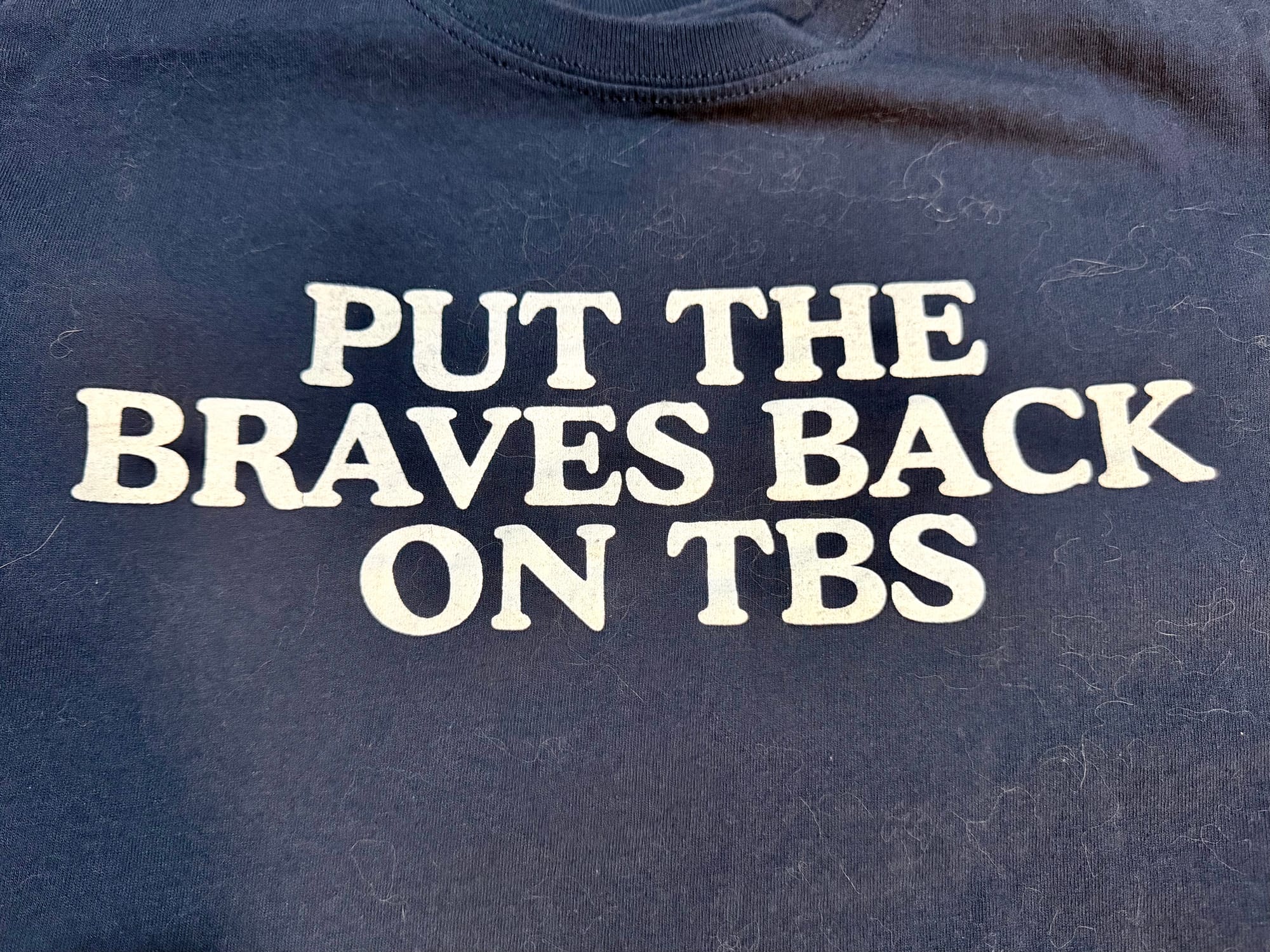
For the Braves, that meant launching BravesVision. It’s a bit of a full-circle moment for the Braves, as once again, they’re controlling every entity of the broadcast from the production to the distribution, just like they did with the Ted Turner-owned TBS. The branding is all theirs, from the graphics to even bringing back the theme music from the TBS days, which I feel is a great touch.
I was able to watch opening day via streaming. In a bit of a hilarious catch, the Braves open the season against the Kansas City Royals, the team deemed as the local team where I live now. This meant I had to purchase the season package with the RoyalsTV option attached to it, so that I would have rights to games that would be shown in Royals territory, even if I was watching the broadcast of the team they’re facing. It’s still a little bit silly, as it’s a $30 upgrade for the year to do so since my interest is in the Braves and the Seattle Mariners, which gives me a nice two-game option with an early game and a late game most nights since the Braves and Mariners play on opposite sides of the country. But, I’m sure I’ll tune into a few Royals games here or there as well, as finally, I can actually watch them. They have a few former Gators on their squad this year, so I have a reason to watch the Royals from time to time.
All of that said, I was able to see the Braves win on opening night. Between bringing back the TBS music and the fact it’s the Braves’ 60th season in Atlanta, which means bringing back players and memories from past seasons that I grew up with, the nostalgia vibes were strong throughout. I felt like a kid again.